AI Enhanced Resume
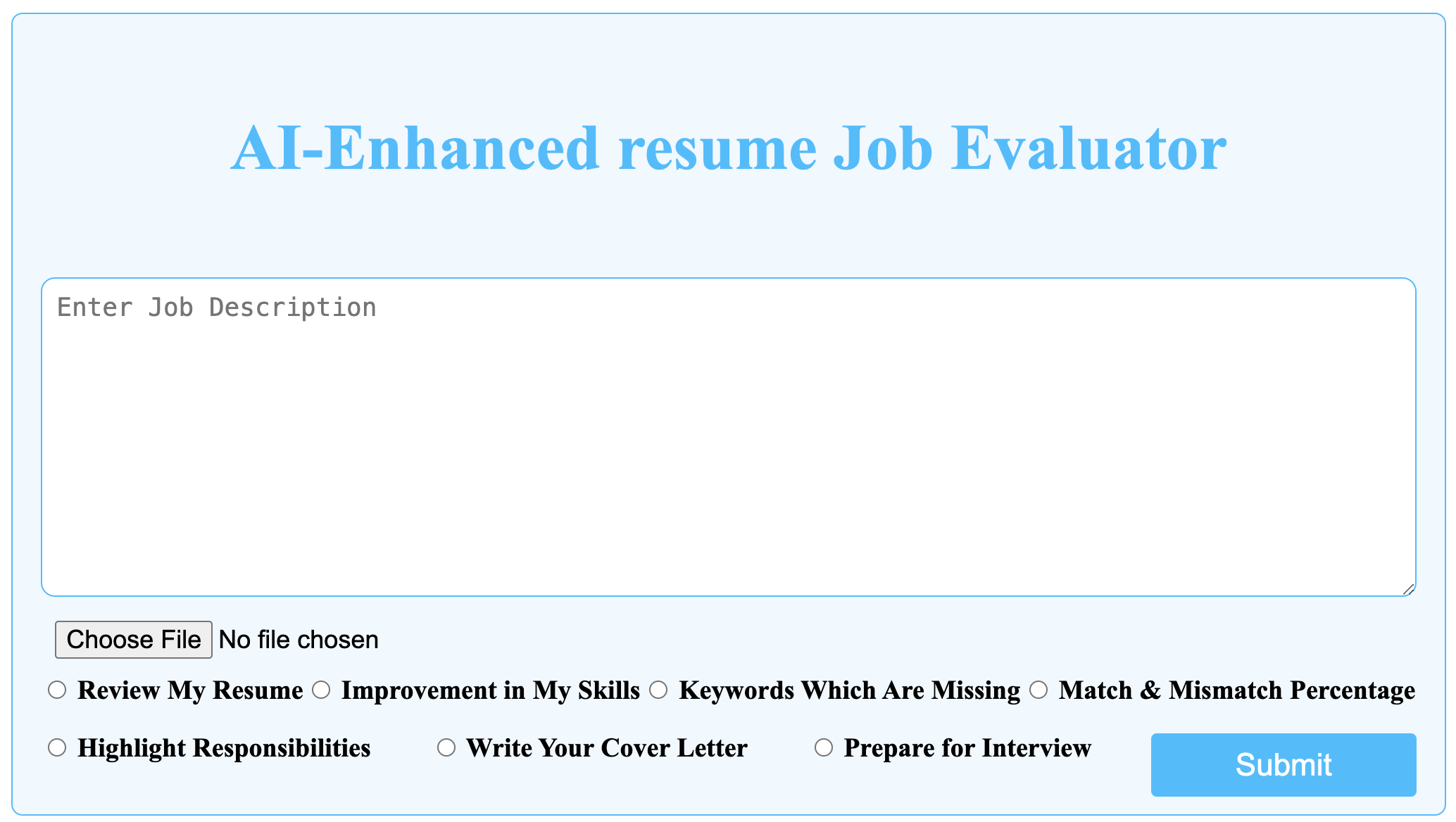
AI-Enhanced Resume Job Evaluator is a web application designed to help job seekers optimize their resumes for specific job descriptions.

👋 Hi, I’m Dhruti Joshi
A data science and machine learning enthusiast with a passion for transforming data into actionable insights and intelligent systems. I specialize in data analysis, machine learning, and AI research, with hands-on experience in building predictive models, deploying ML pipelines, and working with tools like Python, pandas, scikit-learn, PyTorch, and TensorFlow. My academic background in [Your Degree] and practical exposure to end-to-end data science projects — from cleaning raw data to delivering results through visual dashboards and models — have helped me develop a strong foundation in both theory and application. I'm especially interested in problems at the intersection of AI and real-world impact — including projects in healthcare, NLP, and time series forecasting.
I’m currently exploring full-time opportunities in data science, ML engineering, and AI research roles, particularly in fast-paced, impact-driven teams. Outside of work, I enjoy mentoring peers, contributing to open-source projects, and staying curious about how AI is shaping the world.
Feel free to connect with me or check out my Resume👇
Take a Look at My Portfolio
AI-Enhanced Resume Job Evaluator is a web application designed to help job seekers optimize their resumes for specific job descriptions.

The AI-Enhanced Resume Job Evaluator is an innovative web application aimed at empowering job seekers to optimize their resumes for targeted job descriptions. By integrating cutting-edge AI technologies, including Google's Generative AI (Gemini), the platform offers personalized insights and actionable recommendations to enhance resume effectiveness and job relevance.
Read More: You can check the code on the GitHub!

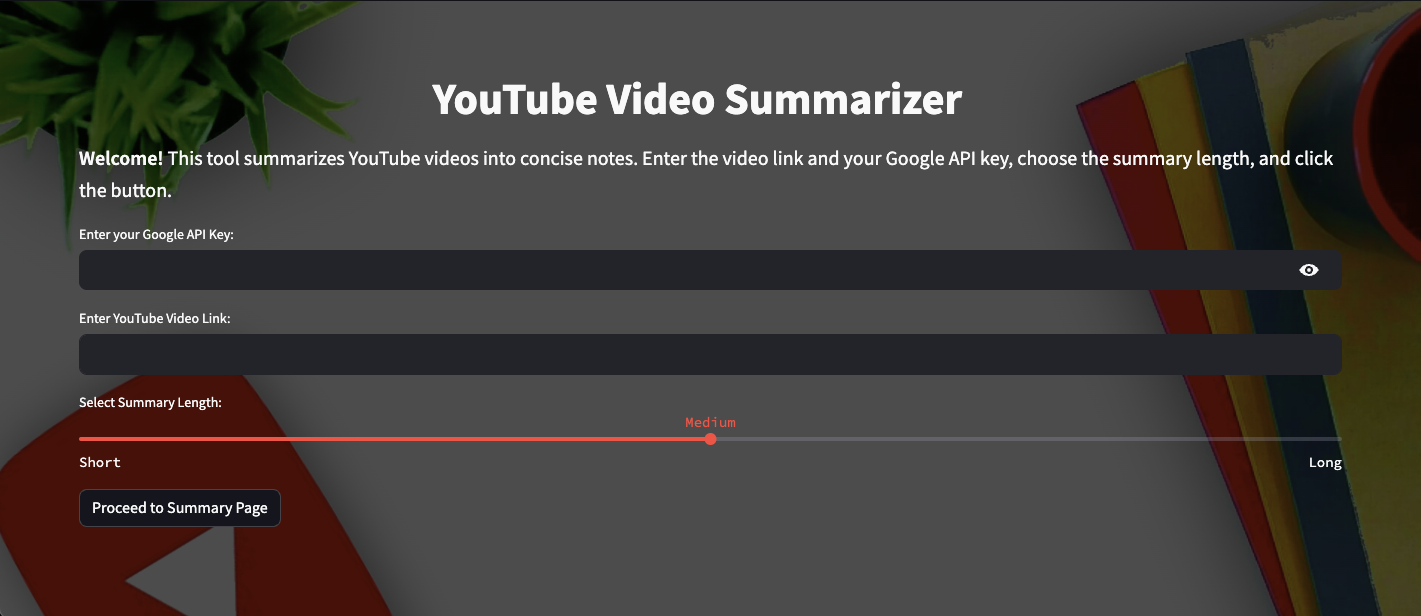
Streamlit tool using Google's Generative AI to summarize YouTube videos into concise notes, with PDF download support.
The YouTube Video Summarizer is a Streamlit-based application that transforms YouTube video content into concise summaries using Google's Generative AI. By extracting transcripts via the YouTube Transcript API, the tool generates summaries in short, medium, or long formats based on user preference. It simplifies content consumption, allowing users to quickly grasp key points without watching the entire video. Additionally, the application enables users to download the summaries as PDF documents for convenient offline access or sharing.
Read More: You can check the code on the GitHub!

Movie Recommendation System integrating sentiment and emotion analysis
ReviewFlix is an innovative movie recommendation system that enhances traditional recommendation algorithms by incorporating sentiment and emotion analysis from social media and movie review platforms. By analyzing users' sentiments and emotional responses to films, the system offers personalized and contextually relevant movie recommendations, ensuring a more engaging user experience. This project leverages data from IMDb and Rotten Tomatoes to create a highly personalized and accurate recommendation engine based on real user emotions and sentiments.
Use the "dataset_creation.py" script to scrape movie-related data from IMDb and Rotten Tomatoes. This will generate the final dataset in "dataset.csv".
ReviewFlix uses machine learning techniques like BERT for sentiment analysis and CNN/RNN for emotion detection to gain deeper insights into users' emotional responses to movies. By combining these insights with user ratings, the recommendation engine generates highly personalized movie suggestions that align with users' emotional and sentiment-based preferences. The integration of social media data and review platforms ensures a dynamic and constantly evolving recommendation system, capable of adapting to shifting trends and user sentiments.
Read More: You can check the code on the GitHub!
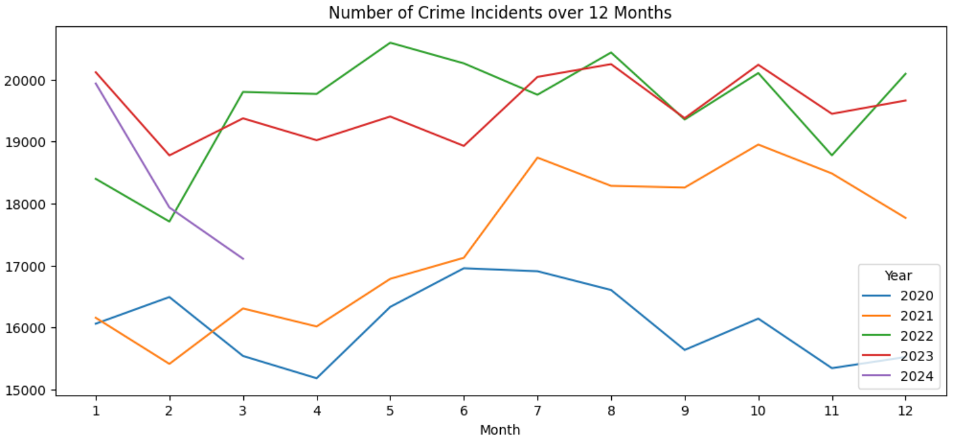
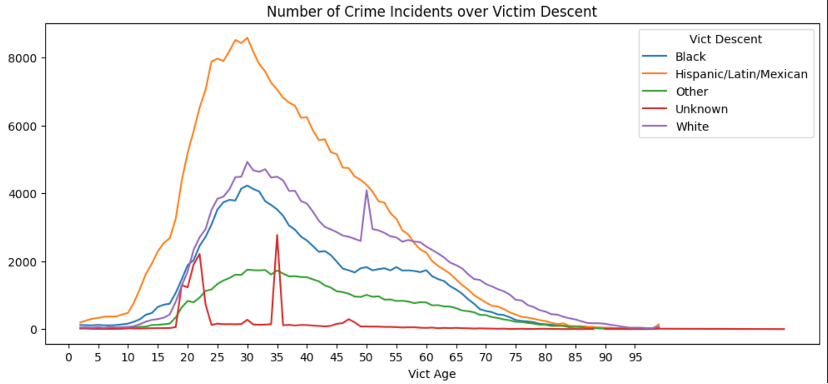
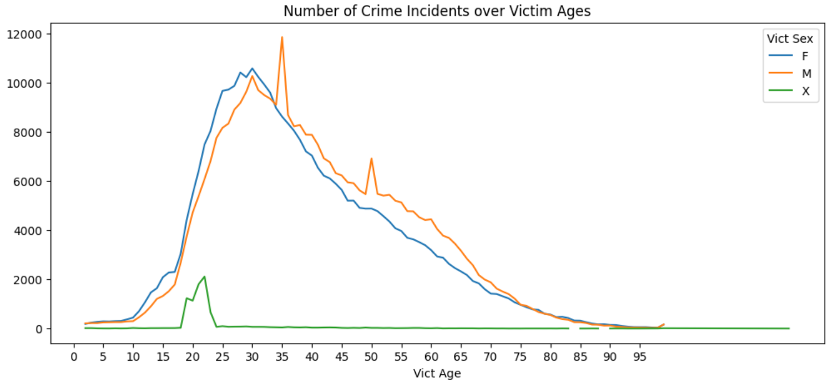
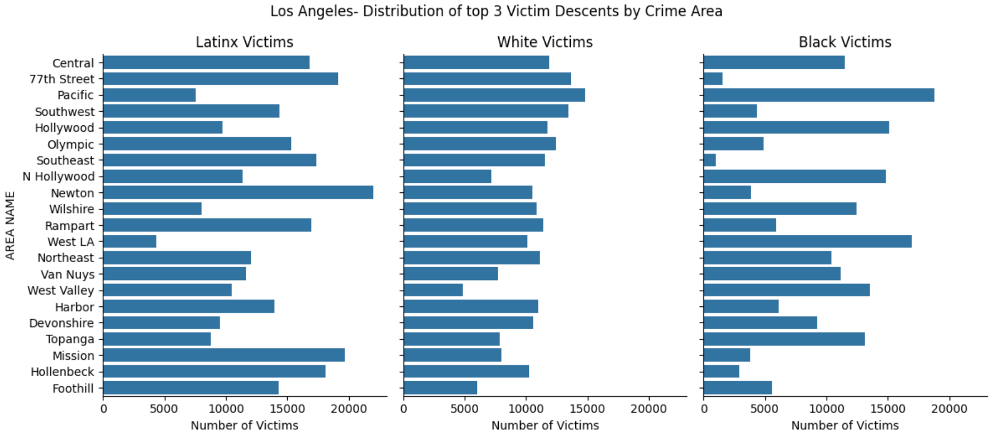
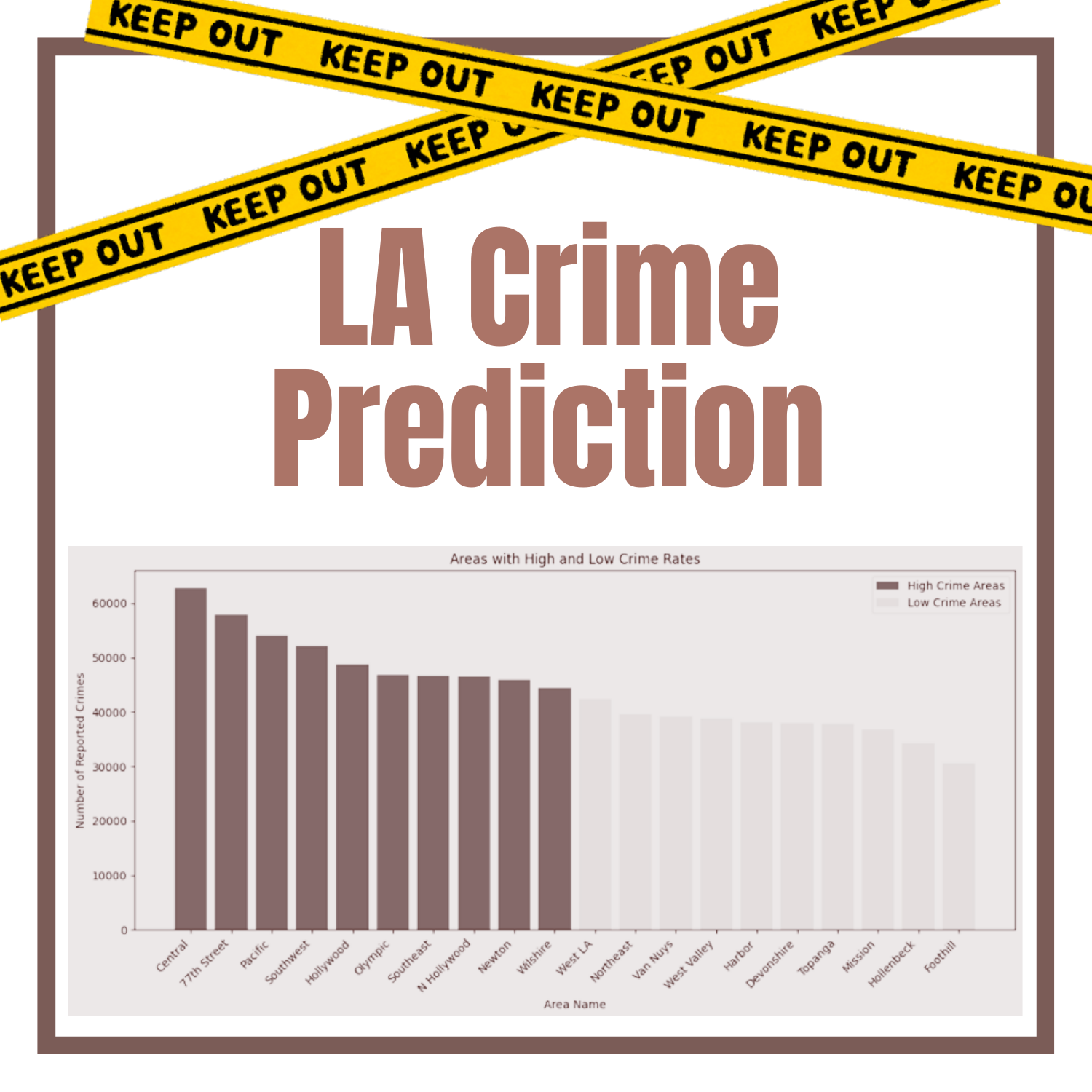
Predictive model for crime rates in Los Angeles using SARIMAX
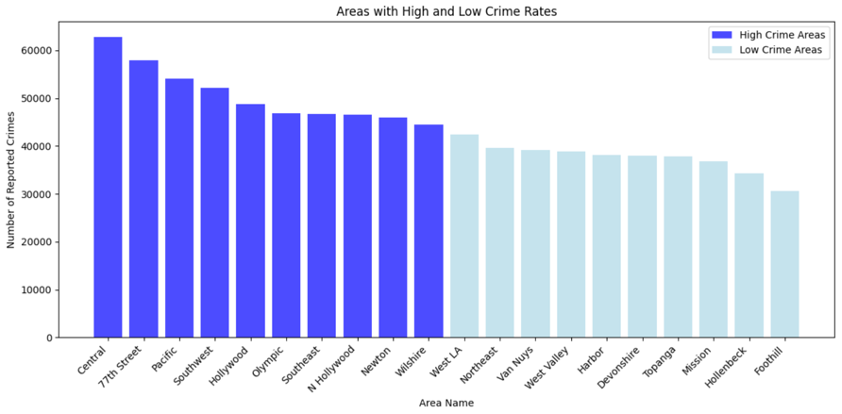
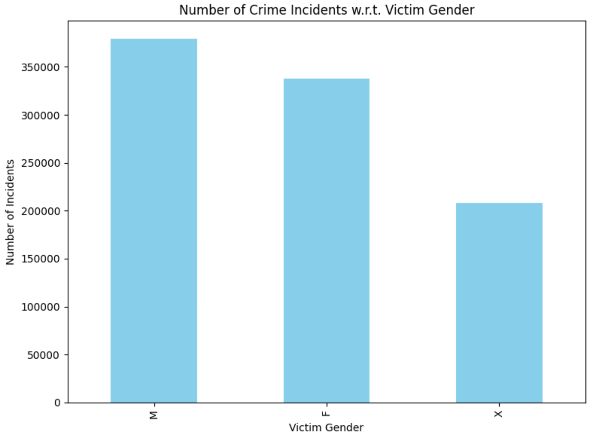
This project involves the development of a predictive model aimed at forecasting crime rates across Los Angeles, helping local authorities enhance public safety and optimize resource allocation. By leveraging historical crime data, the model provides actionable insights into crime trends, enabling proactive measures to address potential crime hotspots. This data-driven approach supports decision-making for law enforcement agencies, fostering safer communities.
The primary objective is to build an accurate predictive model capable of forecasting crime occurrences in Los Angeles, offering valuable insights to law enforcement for strategic resource allocation and targeted interventions.
The model leverages publicly available crime data from [Crime Data from 2020 to Present](https://catalog.data.gov/dataset/crime-data-from-2020-to-present), ensuring access to accurate and up-to-date information for analysis and forecasting.
The predictive model was built using the SARIMAX (Seasonal AutoRegressive Integrated Moving Average with eXogenous variables) technique. Hyperparameter optimization was performed using grid search, resulting in the model (1, 0, 2)x(2, 0, [1], 12). This model effectively captured temporal and seasonal trends in crime data, offering a reliable forecast. The model achieved an AIC of 520.602 and a BIC of 530.640, reflecting solid fit performance. Further refinement could improve seasonal component significance.
The model's accuracy was evaluated using the RMSE (Root Mean Square Error) metric, yielding a value of 656.30. While the model showed improvement over baseline predictions, there is room for refinement. Future improvements will focus on incorporating additional data sources, refining model features, and continuously optimizing the predictive accuracy for more precise crime forecasting.

Virtual Fashion Stylist: This app puts a personal stylist at the user's fingertips.
The Virtual Fashion Assistant app is designed to provide users with customized fashion advice, helping them find the perfect outfits tailored to their body type, skin tone, and personal style preferences. By leveraging advanced algorithms and user-interactive quizzes, the app ensures a seamless and personalized shopping experience. It serves as a comprehensive solution for individuals seeking to enhance their fashion choices without the need to browse multiple stores or spend excessive time curating outfits.
Our app has successfully integrated an intuitive and personalized system for users to find the ideal outfits tailored to their unique body type, skin tone, and fashion preferences. The integration of a body type quiz, style preferences quiz, and occasion-based recommendations enhances the app’s ability to provide users with relevant, personalized fashion advice. The overall goal is to make fashion accessible, effortless, and enjoyable for users by eliminating the need to sift through countless options.
The app utilizes AI-driven quizzes to capture user preferences, which then feeds into an algorithm designed to suggest personalized outfits. For future releases, we plan to leverage machine learning models for trend analysis and predictive fashion recommendations. Additionally, incorporating augmented reality will allow users to visualize outfits in real-time, enhancing the user experience and driving purchase confidence.
The Virtual Fashion Assistant app provides a unique value proposition by combining personalized fashion advice with convenience. By reducing the time and effort spent on finding the right outfits, the app appeals to busy individuals looking to optimize their wardrobe and make informed decisions. Furthermore, integrating social aspects and brand collaborations opens avenues for monetization and community engagement, which will foster long-term user retention and brand partnerships.
Read More: You can check the code on the GitHub!
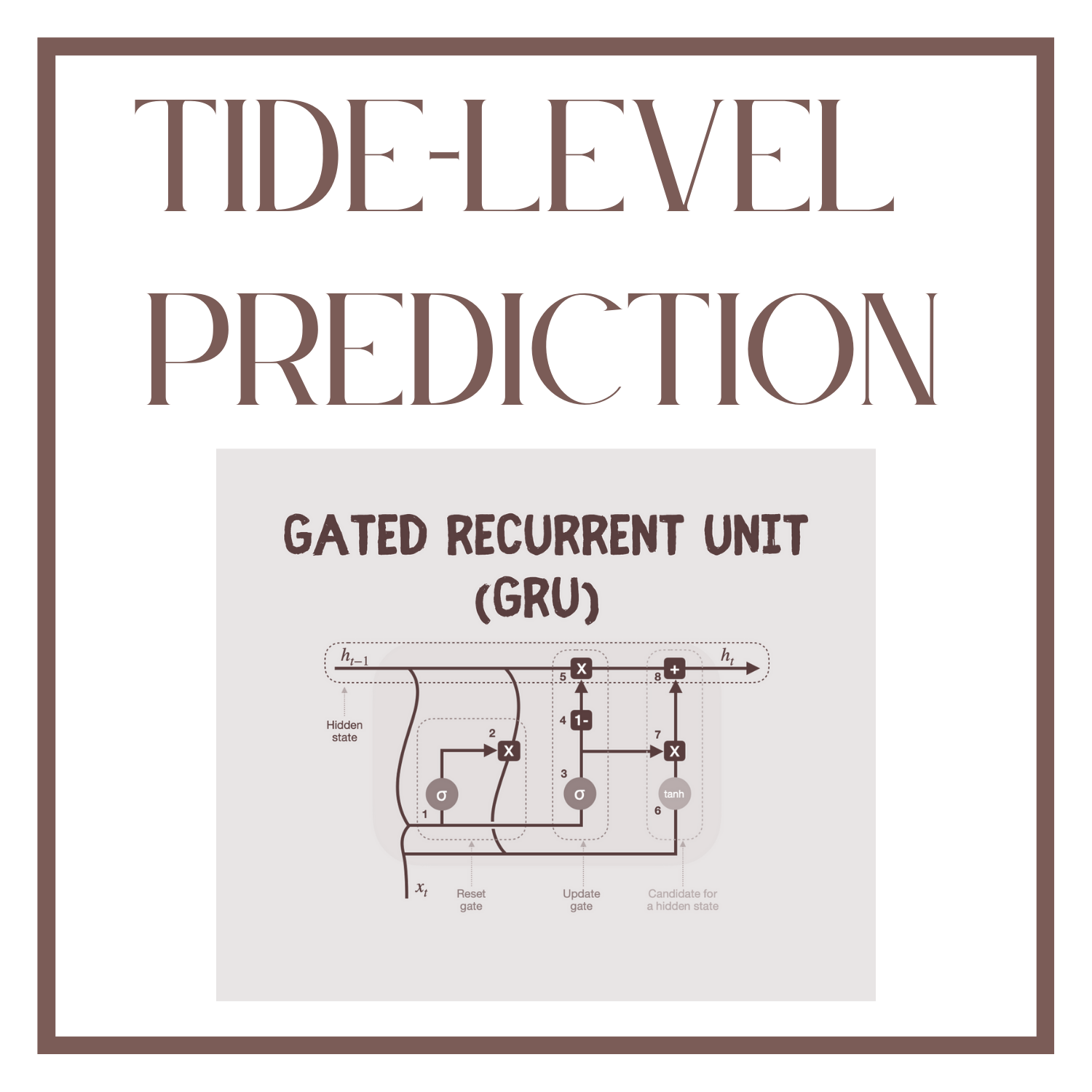
For this analysis, three different models were chosen to predict tide time-series data

This project evaluates three GRU models for predicting tide time-series data at BHP. Starting with data preprocessing and splitting, each model—simple GRU (Model 1), varied layers and units (Model 2), and different activations (Model 3)—is trained and assessed. Metrics like MSE, RMSE, and MAE guide comparisons, alongside statistical tests and graphical analyses of predictions. Hyperparameter tuning optimizes each model, leading to the selection of the best-performing configuration for accurate tide predictions at BHP.
Read More: You can check the code on the GitHub!
Predicts Walmart sales to optimize inventory, staffing, and marketing strategies.

This project applies machine learning and deep learning models to predict Walmart's sales data, with the goal of optimizing inventory, staffing, and marketing strategies. By accurately forecasting sales for different departments across various stores, this project enhances operational efficiency and decision-making in the retail sector.
The project uses data from the Kaggle competition Walmart Recruiting - Store Sales Forecasting:
Read More: You can check the code on the GitHub!
Predicting customer behavior to optimize marketing and retention.
This project aims to leverage unsupervised clustering techniques to perform customer segmentation on a groceries firm's database. By analyzing demographic, behavioral, and transactional data, the project will identify distinct customer segments that reflect similarities among customers within each group. This segmentation will enable the firm to tailor its marketing strategies, product offerings, and customer services to the unique needs and behaviors of each segment. The ultimate goal is to optimize the value of each customer to the business, enhance customer satisfaction, and drive growth by providing more personalized and targeted experiences.
The dataset consists of e-commerce purchase records from around 4000 customers, including customer ID, product category, purchase amount, product name, purchase date, country, and cancellation status.
Read More: You can check the code on the GitHub!
Thank you for visiting my website. Connect with me.